




15 Ancient Ritual Herbs Used in Santería and Yoruba Religions
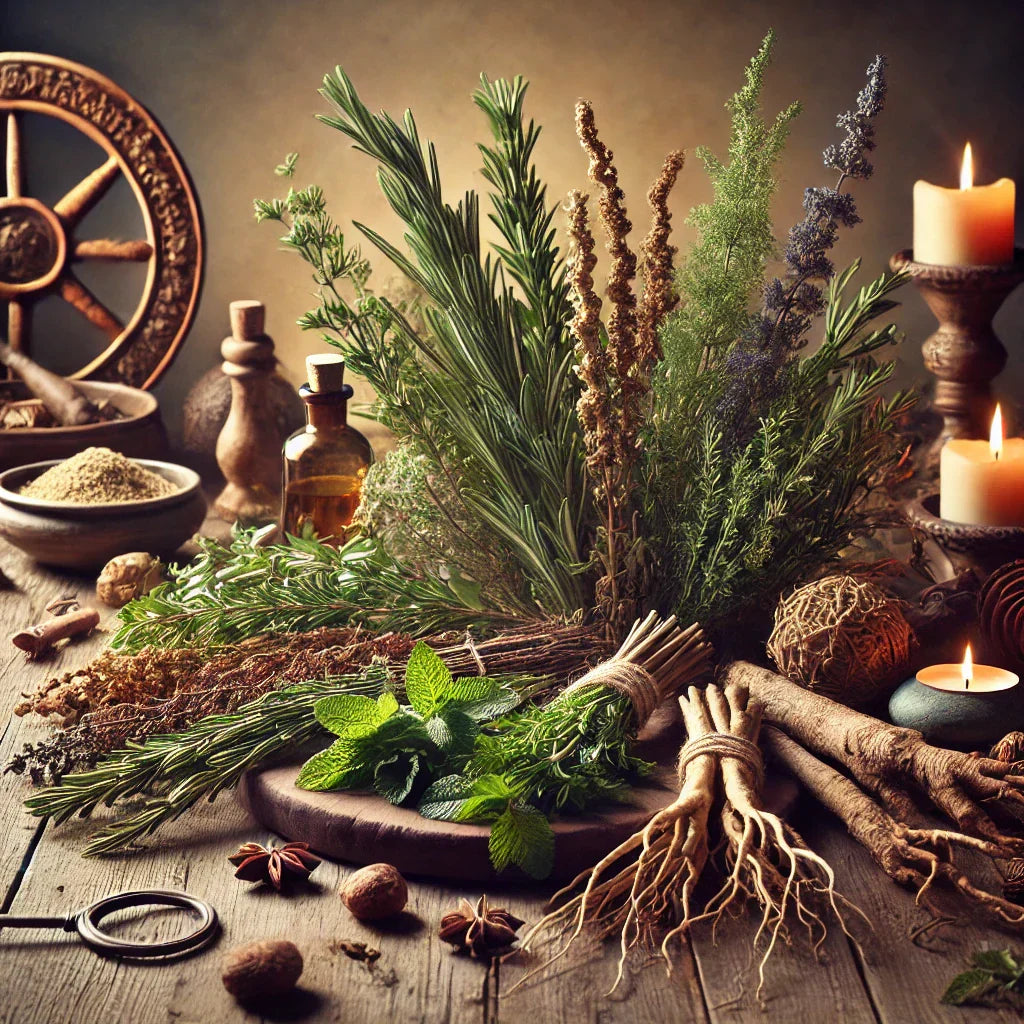
In the mystical realms of Santería and Yoruba religions, herbs play a fundamental role in rituals and ceremonies. They are revered not only for their healing properties but also for their spiritual significance. Join us as we delve into the fascinating world of these ancient ritual herbs.

1. Introduction to Ritual Herbs in Santería and Yoruba
The religions of Santería and Yoruba are deeply intertwined with nature, and herbs are a cornerstone of their practices. These herbs are used in a variety of rites, from healing to spiritual purification. The reverence for nature in these religious practices is evident in the careful selection and use of herbs. Each herb is chosen for its unique properties and the energies it brings to a ritual. The use of herbs is not just a practice but a profound connection to the earth and its bounty.
Understanding the role of these herbs in rituals means delving into a rich tradition of botanical knowledge. In Santería and Yoruba ceremonies, herbs are often used in sacred baths, teas, and incense to invoke specific energies and spiritual protections. This intimate relationship with nature extends to the understanding that each plant and herb is home to a spirit, reflecting the belief that everything in nature is alive and imbued with a particular essence.
2. The Sacred Role of Herbs in Rituals
Herbs in these religions are not merely plants; they are considered sacred entities that communicate with the divine. They are carefully selected and used in rituals to invoke protection, healing, and blessings. In many practices, the preparation and use of these herbs are guided by priests and priestesses who have been trained in their mystical properties. For example, specific rituals may require an herb to be dried, ground into a powder, or used fresh, depending on its intended spiritual impact.
The use of herbs in rituals is deeply rooted in the belief that they connect the physical and spiritual realms. For example, burning certain herbs as incense is believed to carry prayers and intentions to the heavens, acting as a conduit between the devotee and their deities. This practice reflects a complex understanding of the symbolism and power of the natural world to influence spiritual states.
Furthermore, herbs are used not only for their spiritual properties but also for their medicinal benefits. This dual purpose enhances their sacredness in the Santería and Yoruba religions. By combining physical healing with spiritual cleansing, these practices demonstrate a holistic approach to well-being, emphasizing the inseparability of body, mind, and spirit.
3. Oregano: The Protector
Oregano is widely used for its protective qualities. In rituals, it is often used to ward off negative energies and purify spaces. This hardy herb is believed to offer a shield against malevolent spirits and ill intentions, making it an essential part of many protective spells. Oregano leaves can be dried and burned, with the smoke acting as a purifying agent that cleanses both the home and the people within it.
4. Basil: The Sacred Harmonizer
Basil is valued for bringing harmony and balance. It is frequently included in spiritual baths and cleansing rituals to attract positive energy. In the context of Yoruba religious practices, basil is associated with love and protection, often used in offerings to deities who oversee harmony in relationships. Its aromatic leaves are not only a delight to the senses but are also believed to ward off evil and attract good fortune.
5. Rue: The Banisher of Evil
Rue is known for its potent ability to repel malevolent forces. It is integral to many practices aimed at protection and the removal of curses. Often referred to as "herb of grace," rue is used in both fresh and dried forms to create amulets or boiled in teas for spiritual baths. These preparations are believed to cleanse the aura of any malevolent influence, ensuring the individual remains safe from harm.
6. Rosemary: The Purifier
Rosemary is prized for its purifying properties. It is often burned or used in baths to cleanse both spaces and individuals. The herb's strong, invigorating aroma is believed to dispel negative energies and bring clarity to the mind. In Santería and Yoruba practices, rosemary is used to anoint sacred objects, enhancing their divine connection and efficacy. It is also common to find rosemary in ritual bundles, hung around homes to maintain a purified environment.
7. Lavender: The Bearer of Peace
Lavender is beloved for its calming effect. It is commonly used in rituals for peace, tranquility, and restful sleep. The delicate lavender flowers are used in sachets placed under pillows or added to bathwater to promote serenity and relaxation. In spiritual practices, lavender is believed to enhance intuitive abilities and connect people to higher realms of consciousness, facilitating a deeper state of meditation and spiritual reflection.
8. Hyssop: The Sacred Cleanser
Hyssop is highly valued for its cleansing properties. It plays a significant role in purification rites and is mentioned in many sacred texts. The herb's association with spiritual cleansing makes it a staple in rituals intended to dispel negativity and consecrate sacred spaces. Hyssop is often used in conjunction with other purifying herbs in baths and washes, creating powerful remedies believed to restore balance and spiritual purity.
9. Sage: The Great Purifier
Sage is perhaps one of the best-known herbs for cleansing. Its smoke is used to carry prayers to the heavens and to clear stagnant energies. In Santería, smudging with sage is a fundamental practice for preparing both the ritual space and the participants, ensuring that all unwanted spiritual residue is removed. The fragrant plumes of smoke are believed to envelop the practitioner, providing a protective barrier against any approaching negative forces.
10. Mint: The Invigorating One
Mint is prized for its invigorating properties. It is used in rituals to refresh the mind and spirit, providing clarity and vitality. The cool, refreshing aroma of mint is believed to stimulate cognitive function, making it a preferred herb for spells and amulets aimed at enhancing mental clarity and focus. Furthermore, the rejuvenating essence of mint is often used in baths and teas designed to re-energize and elevate the practitioner's spiritual and physical well-being.











Leave a comment